It can be hard to figure out how to buy gold and silver if you are new to valuable metals. There is a lot of noise and strong views online, and it's not always easy to understand what's going on. The good news is that the main process is pretty easy to understand once you break it down into a few simple choices. For most people, the safest way to start is to buy real gold or silver from a trusted dealer. Know how much more it will cost than the market price and plan ahead how to store the metal.
Most of the time, when people say they want to buy gold or silver, they mean actual bars. That means coins, bars, or rounds that you can hold in your hands, not just a paper investment like an ETF that tracks the price of the metal. This difference is important because having a real item raises practical issues that a paper product doesn't. When you buy something, you should think about what it is, who you buy it from, how the price works, where you will keep it, and what it might look like when you sell it.
Decide what kind of metal you want
Most of the time, when people say they want to buy gold or silver, they mean actual bars. That means coins, bars, or rounds that you can hold in your hands, not just a paper investment like an ETF that tracks the price of the metal. This difference is important because having a real item raises practical issues that a paper product doesn't. When you buy something, you should think about what it is, who you buy it from, how the price works, where you will keep it, and what it might look like when you sell it.
Most of the time, bullion coins and smaller bars that are easy to understand, compare, and sell are better to start with than odd pieces or very large bars. Also, well-known goods usually have clearer prices and a longer history on the market, which can make the whole process less scary for someone who is just starting out.
Understand coins versus bars
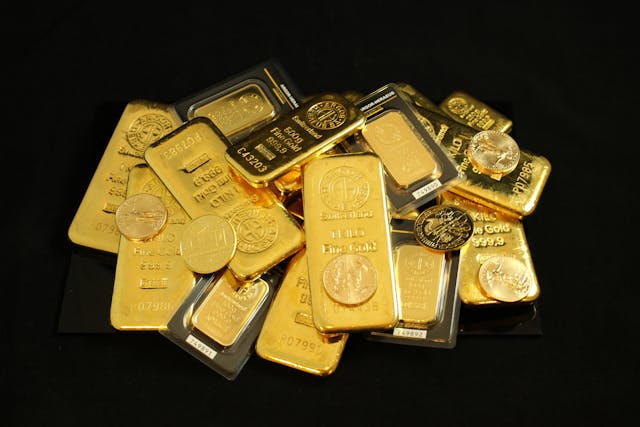
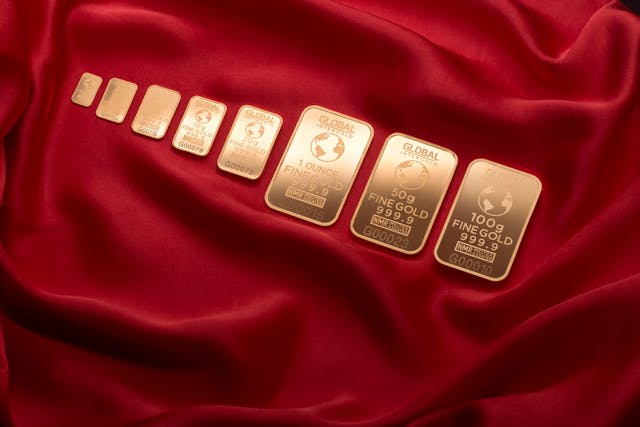
You will have to decide right away whether to buy coins or bars. A lot of guides for first-time buyers say that bullion coins that are well-known are often easier for them to understand because they are common, easy to compare between sellers, and well-known. Bars are another choice, especially if you're mostly interested in metal weight and want to keep an eye on cost per ounce. However, they may have different storage and resale issues.
When they first start, a lot of people start with smaller, more common coins or bars. When you keep bars at home, they can be harder to move, protect, or store because they are so big. By starting with something small, you can get a feel for how buying, shipping, and storing things work without committing to a big, complicated job right away.
Choose a reputable dealer
Picking out a store is just as important as picking out something to buy. An honest trader should make it clear what you're buying, how much more you're paying than the current market price, how shipping works, and how to sell or buy back the item if you ever decide to sell it.
According to the U.S. Commodity Futures Trading Commission, buyers should compare the retail price mentioned to the current spot price of gold or silver. They should also ask the dealer what the buyback price is and make sure they know how the seller is paid. Clear product pages, prices that are easy to understand, and information about how to return items are all good signs. It's also important to have a real business and a background of trading in precious metals.
On the other hand, you should be wary of people who use high-pressure methods, make vague promises, hide fees, or give vague answers about spreads and storage. It is usually a good idea to take your time, compare prices, and keep your options open, even if a dealer's offer sounds much better than everyone else's. This is especially true if you feel rushed or uneasy.
Learn the basics of spot price, premiums and spreads
You should know about spot price, premiums, and spreads in order to make a smart buy. The spot price is how much gold or silver costs on the market right now. It can help you figure out how much a coin or bar costs, but it's not the exact amount you will pay. When you buy a finished good, you generally pay more than spot to cover the costs of minting, shipping, dealer fees, and the demand in the market.
You pay one price when you buy something and another when you sell it. This gap is called the spread. Spreads that are too wide can make it harder to break even or make money quickly, even if the price of the metal has changed in your favor. Because of this, it's not enough to just look at the current price; you also need to know how resale might work in real life. When a dealer tells you the truth about both parts of a deal, you can see the whole picture.
Decide how you will store your metals
You should think about what you're going to do with the metal after you get it before you place your order. A lot of first-timers have to decide between storing things at home and using a professional locker. You have direct control over your home storage, but you are also in charge of security, safes or hiding places, and any insurance choices. Keeping your metals in a vault, on the other hand, is done in a professional setting, usually through the same company that sells them or a separate storage service.
While professional storage can be convenient and offer extra protection, it also comes with long-term costs and requires trust in the storage provider. There isn't just one right answer. Which option is best for you relies on how much metal you have, how much money you have, and how comfortable you are with each method. The important thing is to choose a saving method that works for you and not just copy someone else's.
Start with a small, deliberate purchase
Beginners don't need to buy something big their first time. Most of the time, starting small is the best way to go. You can see how pricing, ordering, shipping, and storage work without putting too much at risk with a small first sale. As you learn more, you can always change how you do things.
One of the most common mistakes people make is letting fear, hurry, or hype drive their decision. Going this slower, more deliberate route will help you avoid this. People who sell precious metals often use strong, emotional language, but the best way to protect yourself is to know exactly what you're buying and why you're buying it.
A simple step-by-step path for beginners
You can think of the steps in this order if you want a simple direction. First, choose whether you want to focus on gold, silver, or both. For beginners, each metal has a slightly different role to play. Next, pick a basic type of product, like a coin or small bar, so you can compare sellers on the same level. Then, compare a few trustworthy sellers by checking how many products they have in stock, how clear their prices are, how fast they ship, and how much they do for returns.
Once you have a list of two or three possible sellers, look at current spot prices, premiums, and spreads to get a sense of the total cost and how much the car will really sell for. Choose whether you will store the metal at home or in a facility. Next, place your first order. It should be small enough to feel comfortable, but big enough to really understand how the process works.
Where BullionStar fits into your research
As you look at sellers, you'll probably find some that sell and store things in the same building. BullionStar is an example of this type of platform. It sells real gold and silver items and also has vault storage choices, marketing itself as a place to buy, sell, and store bullion all in one place. For some beginners, that mix of products, storage, and educational material may be appealing because it cuts down on the number of different relationships they need to keep track of.
The rules are the same whether you buy from BullionStar or someone else. Look for clear information, reasonable prices, clear storage terms, and a calm, teaching style instead of one that puts you under a lot of pressure. If you pay attention to those basics, you will already be ahead of most new buyers who buy based on hype or guesswork instead of careful study.
Buying gold and silver does not need to be rushed. If you want a calmer place to keep learning, you can start with the free beginner’s guide and then, when you’re ready, read the BullionStar review for a more practical look at one option for buying and storing physical metals.